
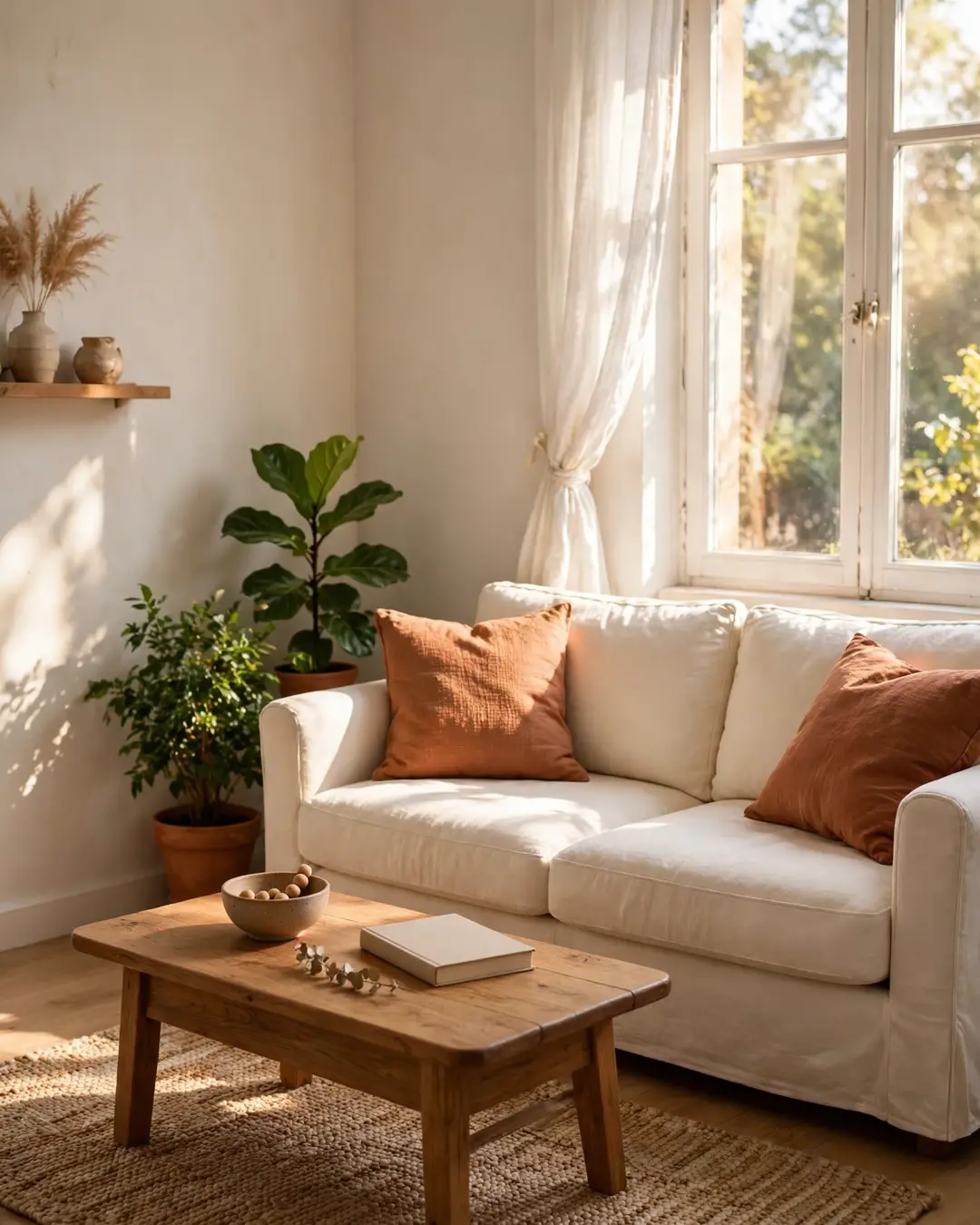
I have sat on fifty apartment sofas, and I can tell you this: most of them fail the same test.
They look right in the shop, then they arrive home and swallow the room, or the seat is too deep, or the arms eat the whole cushion.
A sofa is the biggest purchase in a small living room, and the wrong one punishes you every single day.
So I tested the types, compared them side by side, and kept only the ones that earn their floor space. Twenty picks follow, each one judged the way a picky tester judges: sit, measure, lean, lift, and only then decide.
Every sofa below suits a small apartment, but they suit different rooms and different lives. Pick the one that matches yours, not the one that photographs best.
How to test a sofa before you buy it, in 6 steps:
- Step one: measure the wall, the door, and every turn on the delivery route, then write the smallest number on a card.
- Step two: sit on it for ten minutes the way you sit at home, feet up if that is your habit, and check the seat depth and the arm height.
- Step three: lift one front corner a few centimetres. If the other front leg lifts with it, the frame is solid.
- Step four: run your fingernail across the fabric sample. If it catches, claws and keys will catch it too.
- Step five: ask whether the legs come off, and what the return policy covers if the sofa will not fit through your door.
- Step six: check the frame warranty. A long warranty is the clearest sign a maker trusts its own sofa.
1. The Classic Loveseat

The loveseat is the honest workhorse of small rooms, and it wins my first test every time: two people sit comfortably, the room keeps its walkways, and nothing feels squeezed.
At 120 to 160 centimetres wide it fits walls that defeat every other sofa.
The best ones have slim arms and a seat depth around 55 centimetres, so the sitting space is real, not a ledge. I rate it first because it never lies about what it is.
💡 Tip: Choose a loveseat with a seat width of at least 110 centimetres between the arms, or two adults will sit shoulder to shoulder all evening.
2. The Apartment Sofa

If I had to pick one sofa for most small living rooms, this is it. The apartment sofa sits between the loveseat and the big three seater, usually 170 to 200 centimetres wide, and it seats three without dominating the wall.
It leaves room for a side table and a lamp, which the full size three seater rarely does. The Homes Decors has a clear sofa size guide that walks through the measurements that matter before you order, and it is worth reading with a tape measure in your hand.
💡 Tip: Ask for the exact width in centimetres, not the name on the label. One shop’s apartment sofa is another shop’s three seater, and the label will not warn you.
3. The Armless Sofa

An armless sofa is the quiet overachiever in my testing notes. With no arms at all, every centimetre of its width is sitting space, and it slides into corners a normal sofa cannot reach.
It looks modern, it feels open, and two of them can face each other in a small room without crowding it.
The trade off is nothing to lean on at the ends, so pair it with firm cushions. For pure sitting space per centimetre, nothing else on this list beats it.
💡 Tip: Armless sofas work brilliantly under a window, where arms would block the light and the view.
4. The Sleeper Sofa

A sleeper sofa earns its place only if guests actually stay over, and I am strict about this one. Sleepers are deeper, heavier, and harder to move than normal sofas, and the bed mechanism steals sitting comfort.
If someone sleeps over once a month or more, it earns its keep and beats an air mattress every time.
If it is once a year, skip it and keep a comfortable everyday sofa instead. The best sleepers open smoothly with one hand and lie flat without a bar in your back.
💡 Tip: Measure the sleeper opened out as well as folded. The bed needs floor space too, and that space has to come from somewhere in the room.
5. The Compact Sectional
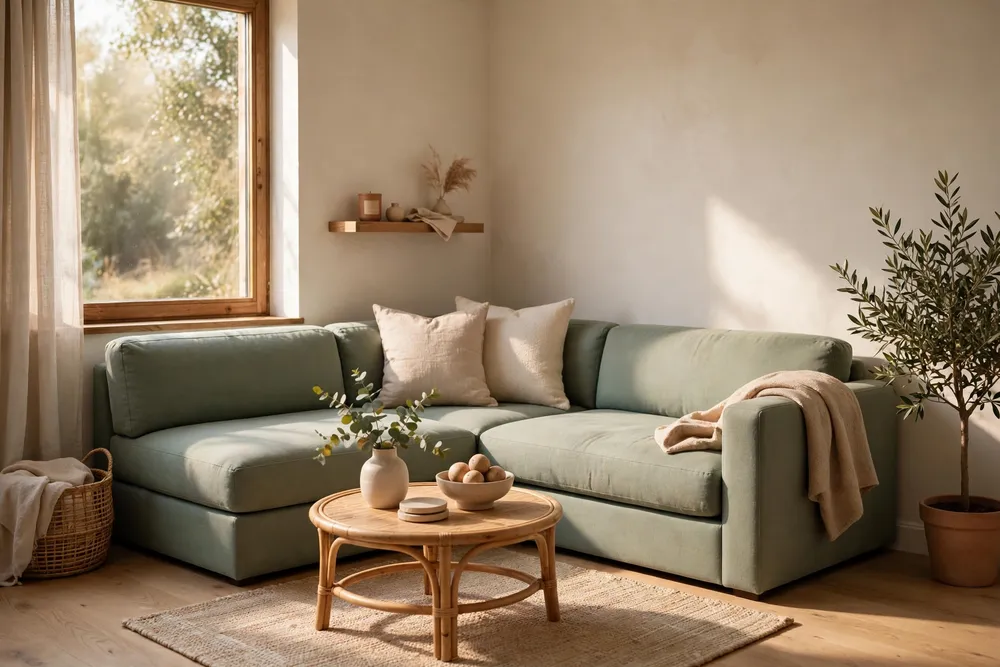
Sectionals tempt everyone, and most of them fail my room test. A big U shaped sectional swallows a small room whole. But a compact L shape of 220 to 240 centimetres, tucked into a corner, replaces a sofa and a chair in one piece.
It seats three or four, it defines the living zone, and it uses dead corner space.
The rule is simple: tape the outline first, and if the walkways stay clear, it earns its place. If not, a sofa and a small chair will serve you far better.
💡 Tip: Look for a reversible chaise, so you can flip the long side when you rearrange the room instead of buying a new sofa.
6. The Chaise Sofa

Love stretching out but short on space? The chaise sofa is my favourite compromise on this list. One long seat to put your feet up, the rest of the sofa a normal width, and the room keeps its shape.
It gives you the lounging end of a sectional without the full sectional footprint. In my testing, readers and evening television watchers rate it highest for comfort per square metre.
Just check which side the chaise sits on before you order, left or right, because the wrong side blocks the walkway.
💡 Tip: Put the chaise end against the wall, not floating in the middle, so the room stays open and the long seat feels intentional.
7. The Low Profile Sofa

A low sofa on slim legs does something lovely in a small room: it shows a strip of floor underneath, and the eye reads that strip as extra space.
A sofa that sits flat on the floor hides the floor beneath it, and the room feels smaller for it.
Low backs help too, because they let more of the wall show above the sofa. I rate low profile sofas highly for looks, but sit on one first. A back that ends at mid shoulder looks modern and gives no support for reading.
💡 Tip: Tapered wooden legs in a light finish lift the sofa visually, and they make cleaning underneath far easier too, which matters more than anyone admits.
8. The Slim Arm Sofa

Here is a quiet little secret from my testing notes: the arms can steal ten centimetres or more from your sitting space. Big rolled arms look grand in a showroom and eat your seat in a small room.
Slim arms, or even track arms, give those centimetres back to the people sitting down. Same sofa width on paper, noticeably more room for actual sitting.
I always measure the seat width between the arms, not just the total width, because that is the number that decides whether two people sit comfortably or squash together.
💡 Tip: Track arms in a light wood or matching fabric keep the sofa looking slim from every angle, and they double as a handy spot for a book or a cup.
9. The Modular Sofa
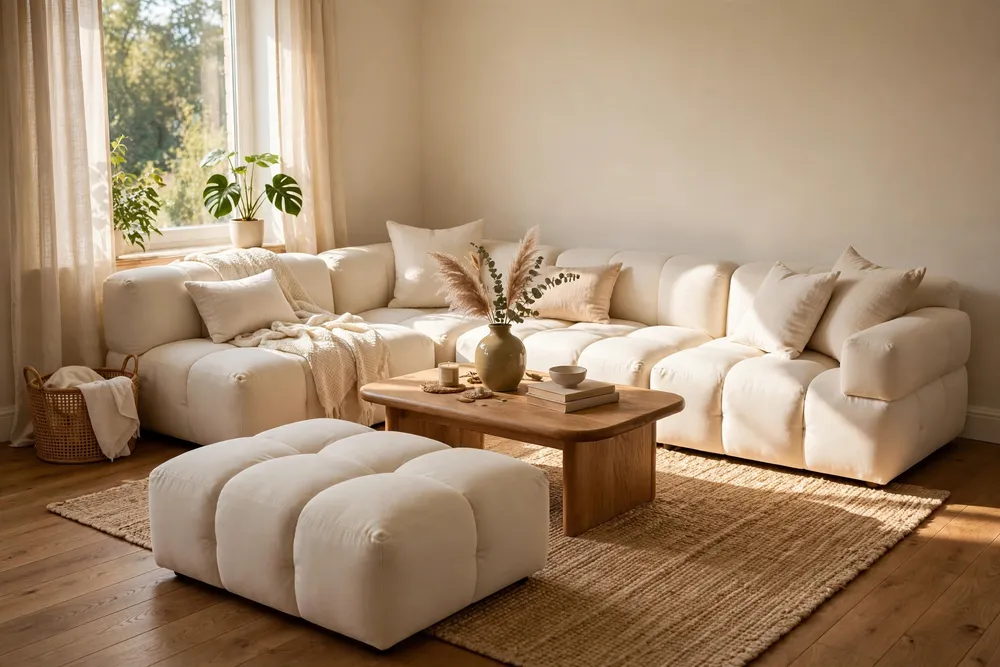
A modular sofa is the most flexible pick on this list, and flexibility is gold in a rented room. The sections come apart, so they fit through narrow doors one piece at a time, and you can rearrange them when you move.
Start with two sections, add a third later if the room allows it. My only complaint from testing: cheap connectors let sections drift apart during the film, so check the clips before you pay.
Good modular sofas lock together firmly and feel like one solid piece.
💡 Tip: Buy one spare section cover with the sofa if the maker offers it, so a stain never forces you to live with a mismatched seat.
10. The Modern Futon
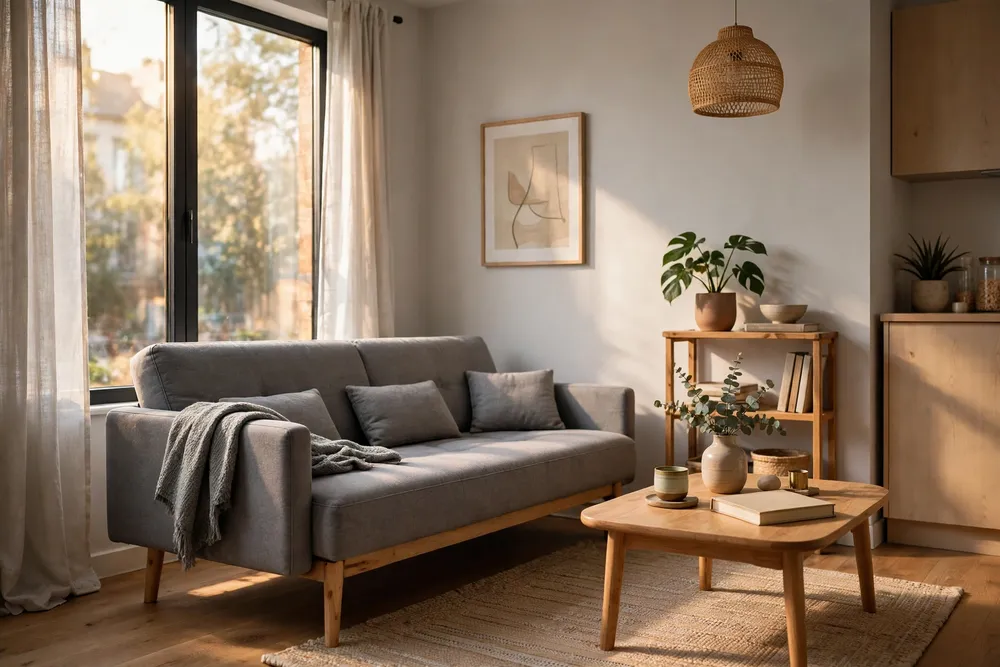
Forget the squeaky futon from student days. The modern futon has a proper frame, a thick mattress style cushion, and clean lines that suit a small room. It folds flat in seconds, which makes it the cheapest real guest bed on this list.
I rate it for studios and first apartments, where one piece must do two jobs. Test the fold mechanism in the shop, because a stiff hinge ruins the whole idea.
And sit on it folded, not just flat: a futon that is only comfortable as a bed is a bed, not a sofa.
💡 Tip: A futon with a removable, washable cover is the one to buy. It is the easiest sofa on this list to keep looking new.
Quick check, ideas 1 to 10 so far:
- The Classic Loveseat
- The Apartment Sofa
- The Armless Sofa
- The Sleeper Sofa
- The Compact Sectional
- The Chaise Sofa
- The Low Profile Sofa
- The Slim Arm Sofa
- The Modular Sofa
- The Modern Futon
11. The Tuxedo Sofa
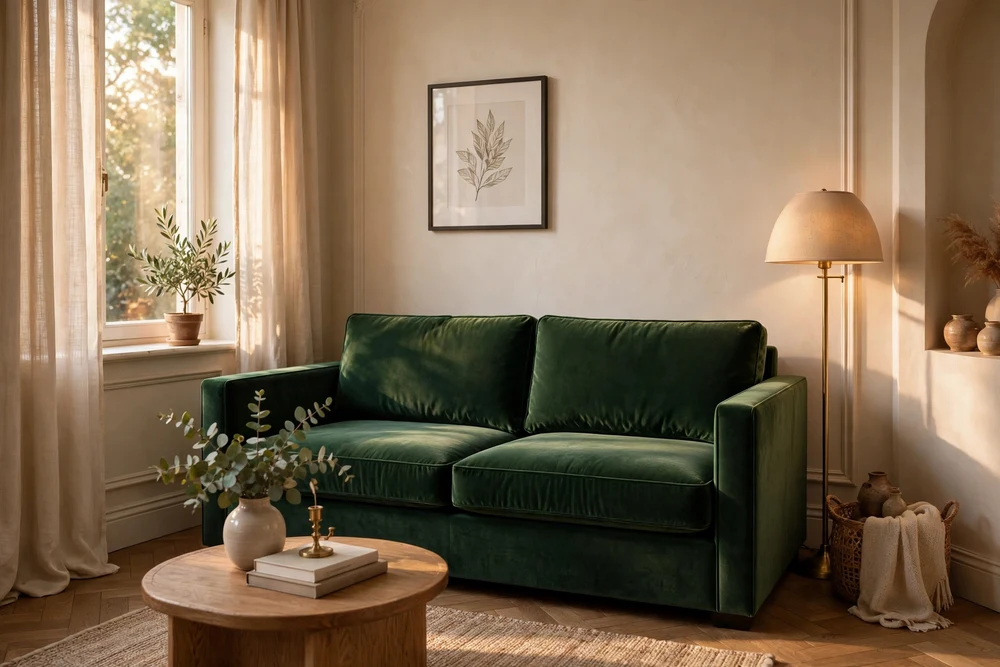
The tuxedo sofa is the tailored suit of small room seating: arms and back at the same height, straight lines, no wasted curves. It looks sharp, it photographs beautifully, and its boxy shape fits neatly against a wall.
I rate it for style first, comfort second. The straight arms give you a firm place to lean a book or a tray, but they are not the softest place to curl up against.
Choose it when the room needs structure and you sit upright more than you sprawl.
💡 Tip: A tuxedo sofa in a solid mid tone, like deep green or dusty blue, adds colour without shouting, and it hides dust better than a pale one.
12. The Small Roll Arm Sofa
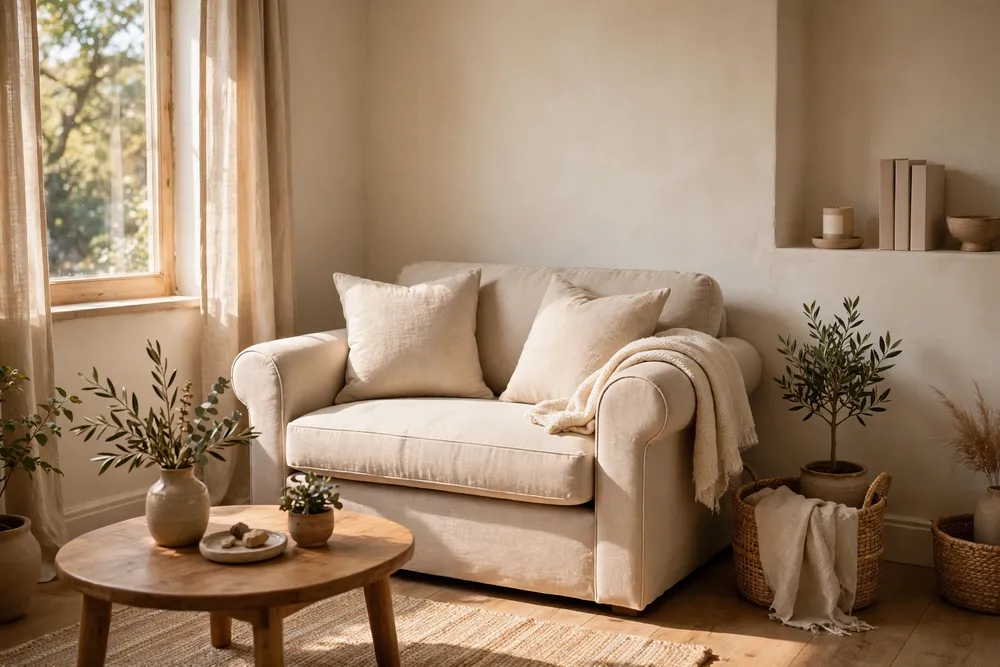
The roll arm sofa is the classic, and the small scale version deserves its place here. Gently rolled arms, a comfortable back, and a shape that suits almost any room. It is the sofa your grandmother would approve of, and she would not be wrong.
Compared with the slim arm sofa, it gives up a few centimetres of seat to the arms, and it gives back comfort in return.
I rate it for households that want one sofa to do everything: reading, television, guests, and the occasional nap. Just keep the roll modest, because a deep roll is a seat thief.
💡 Tip: A roll arm sofa with removable legs is easier to deliver through a narrow door, and the legs can be swapped for taller ones later if the seat feels too low.
13. The Storage Sofa
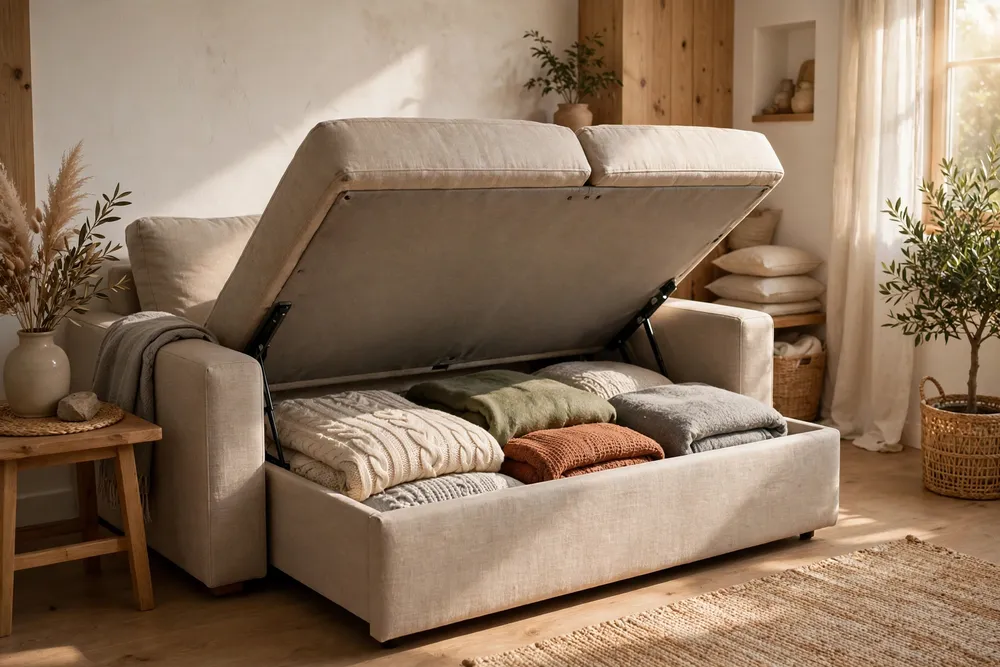
A storage sofa hides blankets, board games, or spare bedding inside its own base, and in a small apartment that hidden space is worth real money. It earns its floor space twice: once as seating, once as a cupboard.
I test the lift mechanism hard, because a heavy lid that slams shut is a daily annoyance. The best ones lift smoothly and stay open on their own.
Check the storage depth too: a shallow tray fits remotes and magazines, while a deep base swallows a whole spare duvet.
💡 Tip: Keep the heaviest items at the bottom and the everyday throws on top, so the lid opens easily every time you reach for a blanket.
14. The Pet Proof Sofa
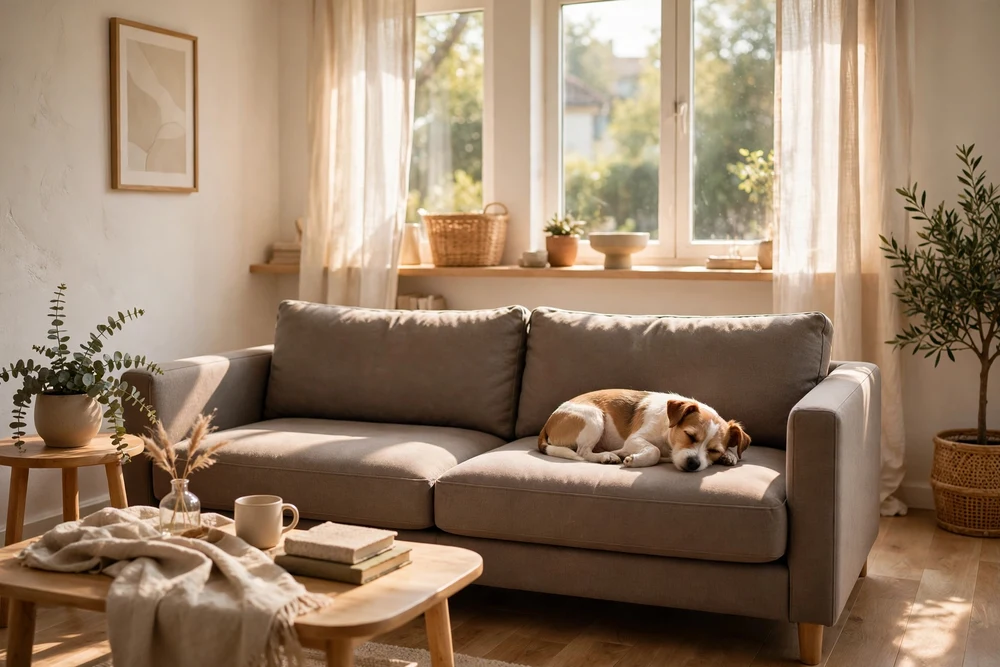
If a cat or a dog shares your sofa, the fabric matters more than the frame. A pet proof sofa in a tight performance weave resists claws, shrugs off muddy paws, and cleans with a damp cloth.
It is the only sofa on this list I judge by the fabric first and the shape second.
Look for a tight, flat weave and removable, washable covers. Leather is the other strong choice: it wipes clean and ages well, though it needs care in direct sun.
Avoid loose bouclé and open weaves, because claws catch them within a week and the damage never heals.
💡 Tip: Ask for a large fabric sample and take it home. Spill a little water on it, rub the mark out, and let your pet inspect it before you commit to the whole sofa.
15. The Velvet Apartment Sofa
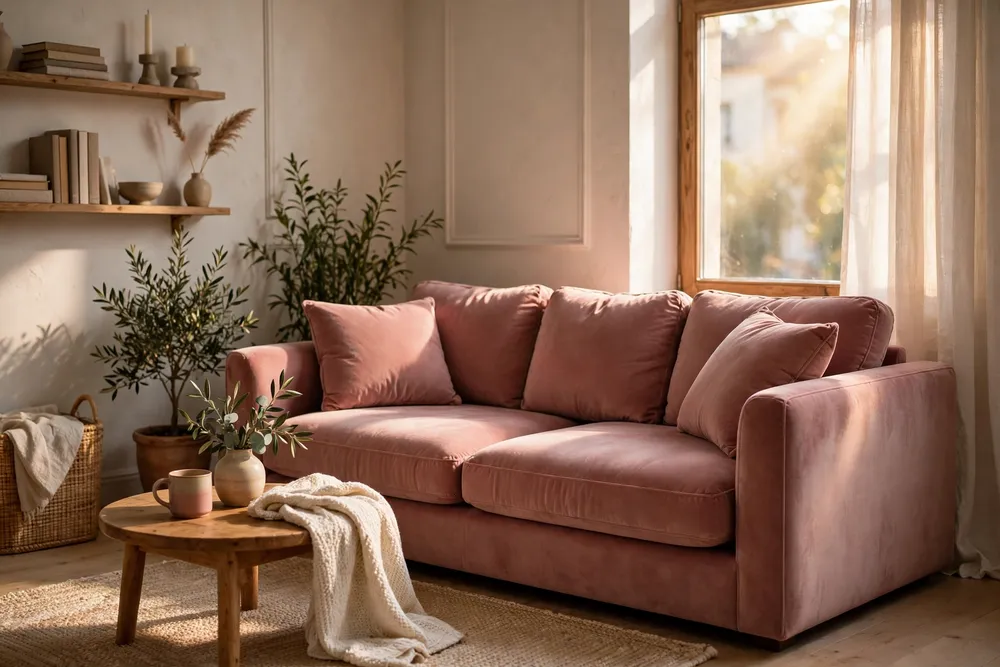
Velvet is the surprise performer in small rooms, and I did not expect to love it this much.
It looks rich, it hides dust better than flat cotton, and it bounces light that warms the whole room. A velvet apartment sofa makes a plain room feel finished.
The trade offs are real: pressure marks where people sit, and pet hair clings to it, so brush it once a week.
Choose a performance velvet if you can, because it resists stains far better than old style velvet. In a dusty rose or deep green, it is the most glamorous small sofa you can buy.
💡 Tip: Keep velvet out of the strongest afternoon sun, because rich colours fade noticeably within a year in a south facing room.
16. The Leather Loveseat
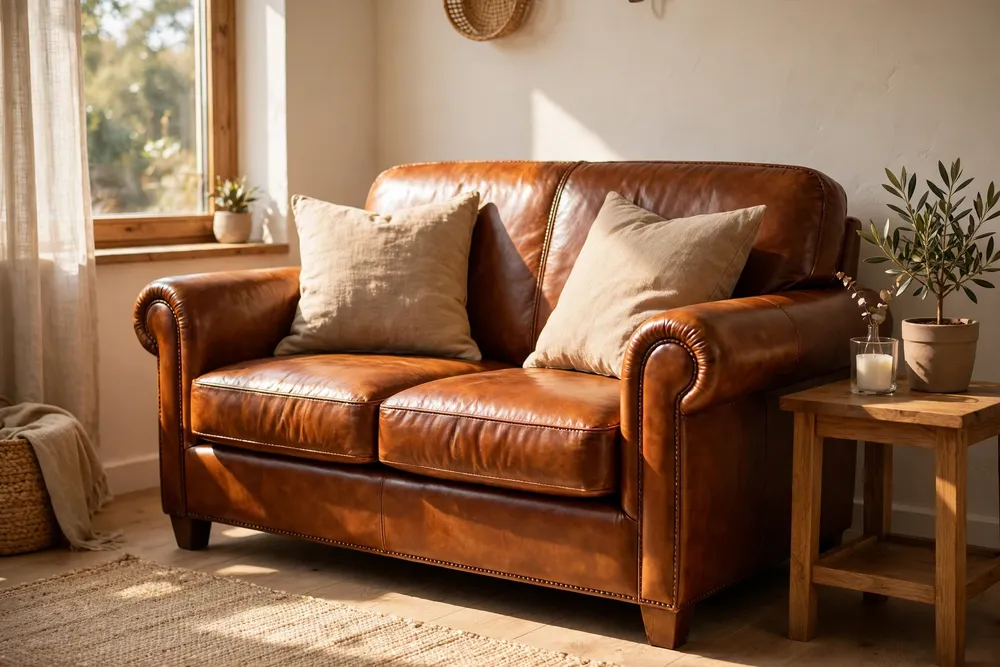
A leather loveseat is the most forgiving sofa on this list. Spills wipe off, it does not hold dust, and it ages well, gaining character instead of looking tired. In a small room, where every mark shows, that forgiveness matters.
Cognac and warm brown suit small rooms better than black, which can turn into a dark block against a pale wall. Full grain leather lasts longest, while bonded leather peels after a few years, especially on the seat cushions.
Sit on it first: leather feels cool at first touch and warms up fast, which some people love and some never do.
💡 Tip: Condition the leather twice a year and keep it out of direct sun, and a good leather loveseat will outlast two fabric sofas.
17. The Daybed Sofa

The daybed sofa is the studio apartment specialist. A deep seat, a back along one side, and bolsters instead of arms: it works as a sofa by day and a single bed by night, without any mechanism to break.
I rate it for studios and guest corners, where one piece must do three jobs. The deep seat suits lounging and reading, and a throw turns it into a proper bed in a minute.
The weak point is back support, so add firm bolsters and a couple of good cushions, and it will serve you well.
💡 Tip: A daybed with a trundle drawer underneath doubles the storage too, which is pure gold in a studio.
18. The Small Curved Sofa
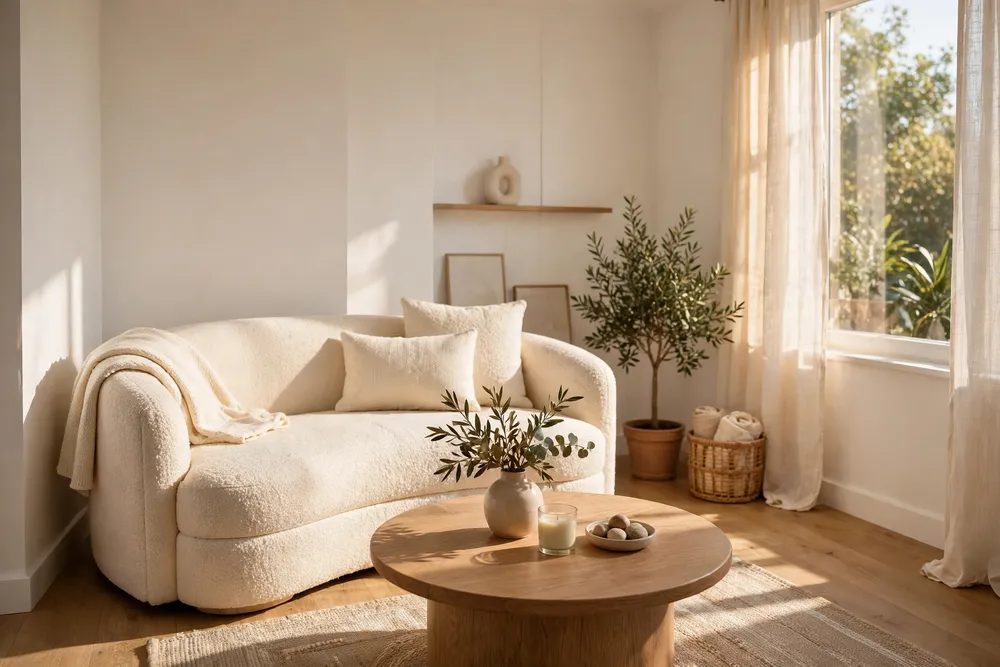
A small curved sofa is the boldest pick on this list, and the most fun to sit on. The gentle curve faces everyone toward each other, which makes conversation easy, and it softens a boxy room in a way no straight sofa can.
It suits a corner or a bay window, and it pairs beautifully with a round coffee table. I am honest about the limits: a curved sofa wastes a little space behind it, and it rarely fits hard against a straight wall.
Measure the curve, tape the outline, and only buy it if the room has the inches to spare.
💡 Tip: Cream bouclé looks stunning on a curved sofa, but it shows marks fast, so choose it only if the sofa will not face daily meals and muddy paws.
19. The Wall Hugger Recliner Loveseat
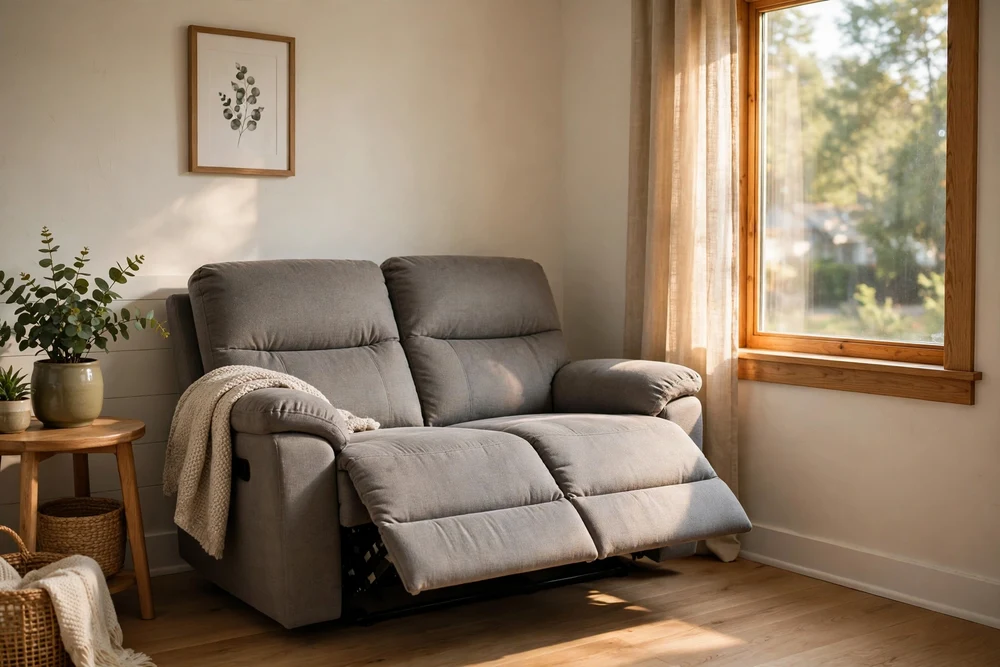
Old recliners needed a metre of space behind them, which killed them for small rooms. The wall hugger recliner needs only a few centimetres, because the seat slides forward as it reclines instead of tipping back.
I rate it for evening television watchers and anyone with tired legs. Test the recline in the shop: it should move smoothly with one hand, and the footrest should support your calves, not just your heels.
Check the mechanism warranty too, because a recliner is only as good as its moving parts.
💡 Tip: Leave ten centimetres behind a wall hugger recliner even though it asks for less, because the fabric still needs room to move without rubbing the wall.
20. The Secondhand Sofa
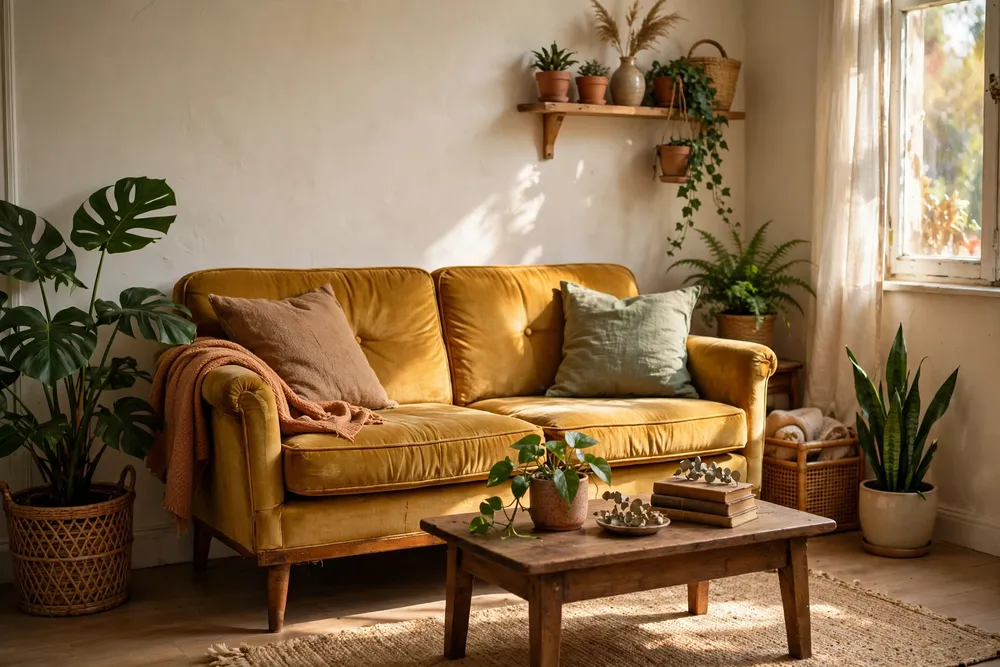
The secondhand sofa is my favourite bargain on this list, and the one I judge hardest. A well made vintage sofa with a solid hardwood frame often beats a new budget sofa on comfort and build, for a fraction of the price.
Test it like a tester, not a bargain hunter. Lift one front corner: if the other front leg lifts with it, the frame is solid. Sit firmly in the middle, then in the corner, and feel for even support.
Sniff it, check the seams, and ask about pets and smoke. A clean, solid secondhand sofa with new cushion covers is the smartest buy in small apartment living.
💡 Tip: Measure the secondhand sofa before you pay for delivery, and confirm the seller will take it back if it will not fit through your door.
Quick check, ideas 11 to 20 so far:
- The Tuxedo Sofa
- The Small Roll Arm Sofa
- The Storage Sofa
- The Pet Proof Sofa
- The Velvet Apartment Sofa
- The Leather Loveseat
- The Daybed Sofa
- The Small Curved Sofa
- The Wall Hugger Recliner Loveseat
- The Secondhand Sofa
That is the full list! Twenty sofa types, one small living room, and a clear winner for every kind of renter. Measure first, sit on it for ten minutes, check the frame, and buy the sofa that fits your room and your life, not the one that only looks good in the shop.
Frequently Asked Questions
What is the best sofa for a small apartment?
An apartment sofa of 170 to 200 centimetres wide is the best all rounder for most small apartments: it seats three without dominating the wall. For very small rooms, a loveseat of 120 to 160 centimetres is the safer pick.
Is a sectional a good idea in a small apartment?
Only a compact one. A small L shaped sectional of 220 to 240 centimetres can work in a corner, replacing a sofa and a chair. A large U shaped sectional will swallow a small room whole, so tape the outline first.
What sofa fabric is best for a small apartment with pets?
A tight, flat performance weave or leather resists claws and cleans easily. Avoid loose bouclé and open weaves, because claws catch them within a week, and choose removable, washable covers where you can.
How do I know if a sofa will fit through my door?
Measure the front door, the hallway, every turn, the stairwell, and the lift door if you have one, then write down the smallest width on the whole route.
Compare that number with the sofa height and depth, and check whether the legs come off, because removable legs can save a delivery that is two centimetres too tight.
Should I buy a sleeper sofa for a small apartment?
Only if guests stay over once a month or more. Sleeper sofas are deeper, heavier, and harder to move than normal sofas, and the bed mechanism eats sitting comfort. For rare guests, an air mattress in the cupboard does the same job.
Start with our sofa size guide for small living rooms, then build the room around your new sofa with our cozy small living room ideas, and match the rug to it with our rug size guide.
Browse our Small Apartment Decor ideas, or start from the beginning on our blog page.